

What are Nematodes?
They are the most abundant animals on Earth — it’s estimated that about 80% of all individual animals on the planet are nematodes.
Nematodes are microscopic roundworms that live in the soil. While some are beneficial, plant-parasitic nematodes attack roots and cause serious losses in floriculture and horticulture. For flower farms and high-value crops, nematodes can mean stunted growth, poor quality blooms, and reduced yields — problems that directly affect profitability and export quality.
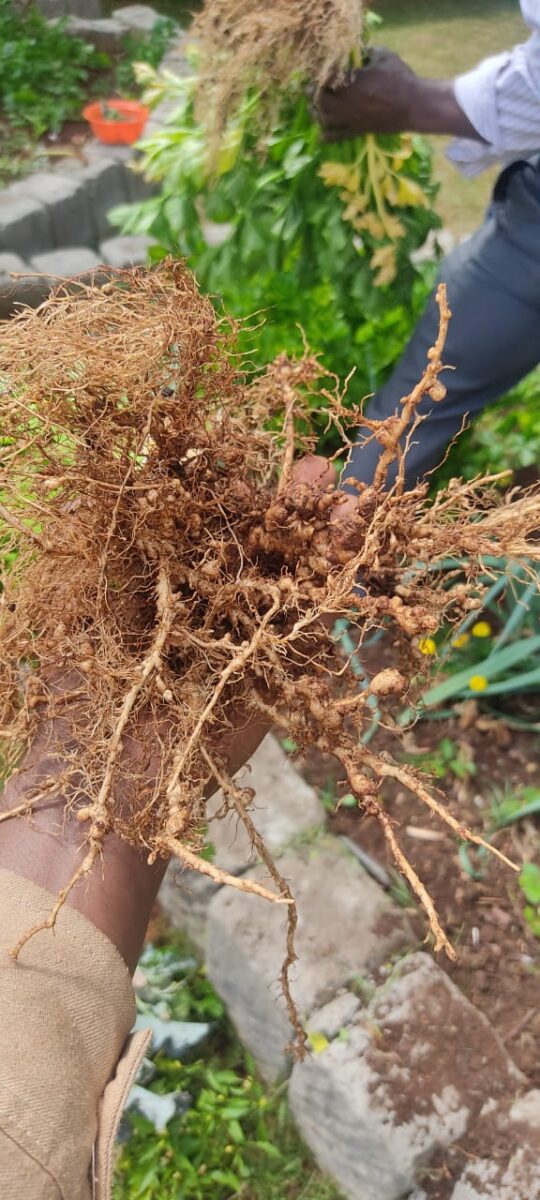
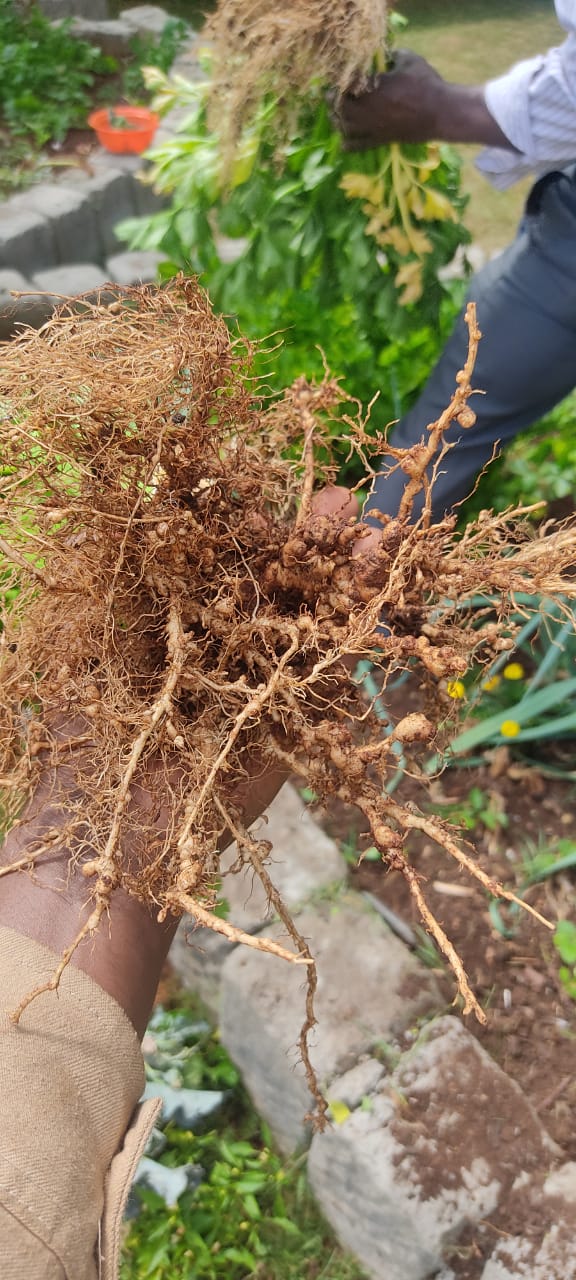
Common nematodes such as Meloidogyne (root-knot nematodes) cause swollen galls on roots, block water and nutrient uptake, and open the door to secondary fungal and bacterial infections.
Everywhere in Soil – A single teaspoon of healthy soil can contain hundreds to thousands of nematodes.
Good & Bad Guys – Some nematodes attack roots and reduce yields, while others are beneficial and help control insect pests.
Ancient Survivors – Nematodes have been around for over 400 million years, adapting to almost every ecosystem on Earth.
Flower Farm Threat – Root-knot nematodes (Meloidogyne spp.) are among the most damaging pests in roses and summer flowers, causing galling and stunted growth.
How do Nematodes affect floriculture production?
- Root Damage: Swelling, galling, or decay in root systems.
-
Nutrient Deficiency: Plants look yellow and weak because roots can’t absorb nutrients.
-
Reduced Vase Life & Quality: Flowers are smaller, stems weaker, and export grades drop.
-
Increased Stress: Nematode-infested crops are more vulnerable to fungal and bacterial diseases.
For horticulture crops such as tomatoes, peppers, beans, and cucurbits, nematodes can wipe out significant portions of the harvest if unmanaged.
Galling in Roses and Summer Flowers
One of the most visible and damaging effects of nematodes in floriculture is root galling. Root-knot nematodes (Meloidogyne spp.) invade plant roots, causing them to swell and form knot-like galls.
-
In Roses: Galling interferes with water and nutrient uptake, leading to weaker stems, smaller flower buds, poor color intensity, and reduced vase life. Export-oriented rose farms often face rejection due to the drop in quality.
-
In Summer Flowers (e.g., statice, carnations, alstroemeria, chrysanthemums): Galling reduces root efficiency, resulting in stunted plants, uneven flowering, and lower yields. This compromises uniformity—critical for bouquet assembly and export grading.
Managing galling is therefore a top priority for floriculture farms. Achook prevents further nematode feeding, while Asilee improves soil resilience, helping plants maintain strong root systems even under pressure.
Conditions That Favor Nematode Infestation
Nematodes thrive in conditions common to intensive farming:
-
Warm and moist soils in greenhouses and irrigated fields.
-
Continuous monocropping without soil rest.
-
Poor soil health and low organic matter.
-
High plant densities that stress root zones.
Organix Limited Solutions for Nematode Control
At Organix Limited, we believe in safe, sustainable, and effective solutions for nematode management. Our two leading products are:
Achook (Neem Extract)
-
Contains azadirachtin and neem limonoids that disrupt nematode feeding and reproduction.
-
Acts as both a nematicide, insecticide and pesticide.
-
Safe for beneficial organisms and workers, making it ideal for floriculture export compliance.
-
Helps protect roots and ensures healthy, vigorous productive plants.
Asilee (Oilseed Cake Blend)
-
A natural soil amendment from blended oilseed cakes.
-
Creates suppressive soil conditions that limit nematode activity.
-
Enhances soil microbial activity, favoring beneficial fungi and bacteria that compete with nematodes.
-
Provides nutrients while improving soil structure and resilience.
Together, Achook and Asilee give growers a powerful organic toolkit to fight nematodes while restoring soil health.
Product Information
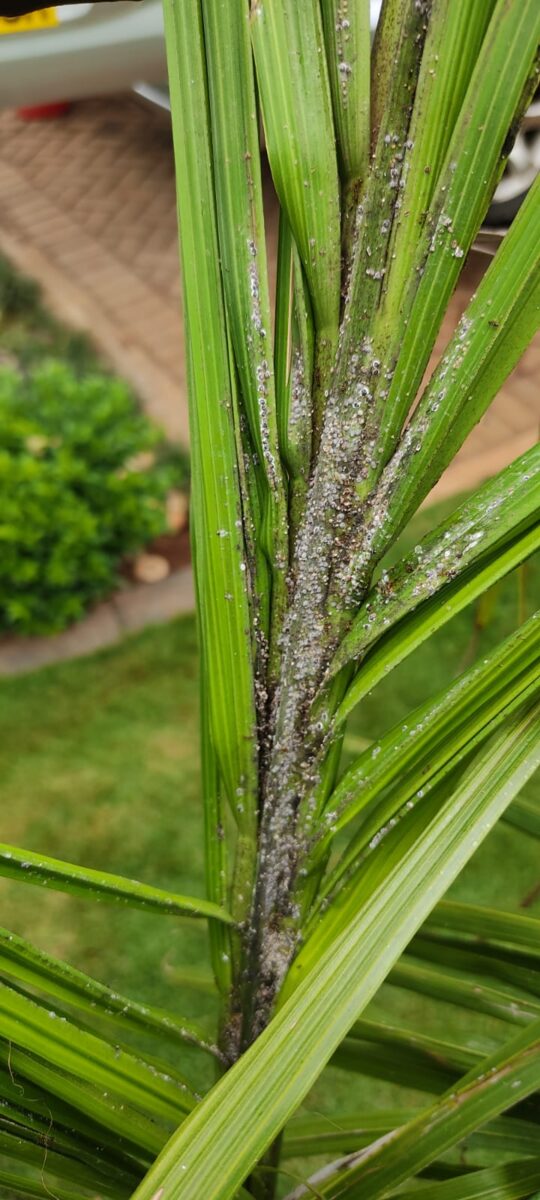
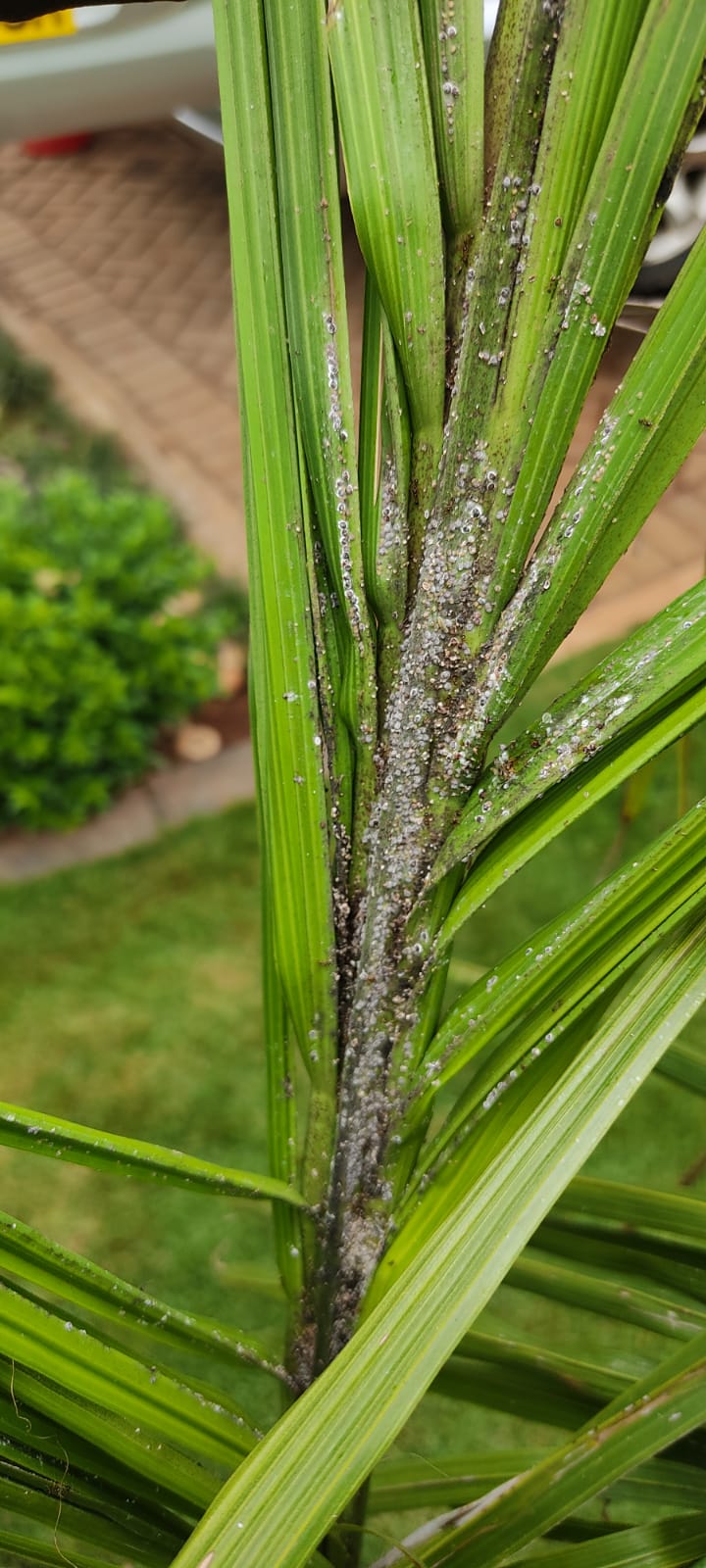
Achook in Action
-
- #image_title
-
- #image_title
Achook Options
-
Achook – 100ml
KShs 495.00 -
Achook – 5 Litre
KShs 18,750.00 -
Achook – 1 Litre
KShs 3,950.00


Organix Limited.
Magana Farm - Magana Packhouse
Kiambu County, Magana
We are open
Monday — Friday: 9:00 AM — 5:00 PM
Saturday: 9:00 AM - 1:00 PM.

